Could a Toilet Base Leak Be Causing Your Bathroom Mold?
A toilet that rocks or shows a thin line of water at its base is more than a nuisance. That slow, nearly invisible leak can keep the bathroom floor and subfloor damp for weeks, creating exactly the conditions mold needs to grow. If you have been chasing musty smells or spotting dark patches on the baseboard, the toilet itself might be the hidden source. A proper bathroom mold inspection should always include a close look at the toilet base, because a fix that costs little can stop mold before it spreads.
Toilets leak in two main ways. The first is a loose wax or foam seal between the toilet and the floor flange. Over time, the toilet can shift slightly, breaking that seal. Every flush sends a small amount of water past the seal and onto the subfloor. The second is a crack in the porcelain base, often hairline and hard to see, that weeps water only when the toilet is flushed. Both problems keep the surrounding area damp enough to support mold growth on the floor, the wall, and even inside the wall cavity.
Why a Toilet Leak Is a Mold Magnet
Mold needs three things to thrive: moisture, a food source, and the right temperature. Bathrooms already provide the food (dust, soap scum, drywall paper) and the temperature. The only variable is moisture. A toilet base leak guarantees that the floor and the bottom of the wall stay wet. Even if the water is clean, the constant dampness lets mold spores settle and colonize. Within a week or two, you may notice a musty smell. Within a month, visible patches of black or green mold can appear on the baseboard or the vinyl floor edge.
What makes this tricky is that the water does not always pool where you can see it. It can wick under the flooring, travel along the subfloor, and emerge at the base of a wall a foot or more away. That is why a bathroom mold inspection should look beyond the obvious shower corners and sink backsplashes. The toilet base is a prime suspect, especially in older homes where the flange may be corroded or the toilet was never sealed properly after a replacement.
How to Check for a Toilet Base Leak Yourself
Before you call anyone, you can do a simple check. Dry the area around the toilet base completely with a towel. Then place a few squares of dry toilet paper against the base at several points around the toilet. Leave them for a few hours or overnight. If any of the squares come away damp, you have a leak. Another method is to put a few drops of food coloring in the toilet tank and wait. If colored water appears at the base without a flush, the seal is broken.
If you find moisture, the next step is to stop using the toilet and call a plumber or a remediation specialist. Continuing to flush will only push more water into the subfloor. A temporary fix like tightening the closet bolts can work, but it can also crack the porcelain if overtightened. A professional will lift the toilet, replace the wax ring or the flange gasket, and set it back properly. That is a straightforward repair that usually takes an hour.
While the toilet is off, the subfloor can be inspected and dried. If the wood or cement board is already moldy, it may need to be treated or replaced before the toilet is reinstalled. That is where the work of Mold Removal Boston Pros Bathroom Mold Remediation comes in. They address not just the visible mold but the hidden moisture and damaged materials that allow mold to return. Addressing the leak source first makes the remediation last longer.
What a Bathroom Mold Inspection Covers
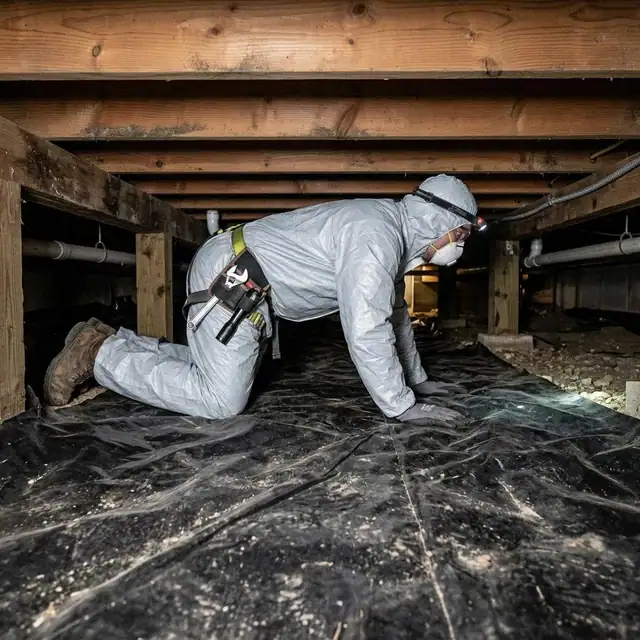
A good inspection does not stop at the toilet. The inspector will check the shower pan, the tub drain, the sink overflow, and the exhaust fan duct. But the toilet base is often the most overlooked spot because it is not obviously wet. A moisture meter can detect dampness in the subfloor even when the surface feels dry. The inspector may also use a borescope to look inside the wall behind the toilet for hidden growth.
Ventilation is another factor. Even a small leak can cause big problems if the bathroom does not dry out between uses. A bathroom with a weak or noisy exhaust fan will retain humidity, which combines with the leak moisture to accelerate mold growth. Improving ventilation is a separate fix, but it should be part of the overall plan after the leak is resolved.
The Hidden Costs of Ignoring a Small Leak
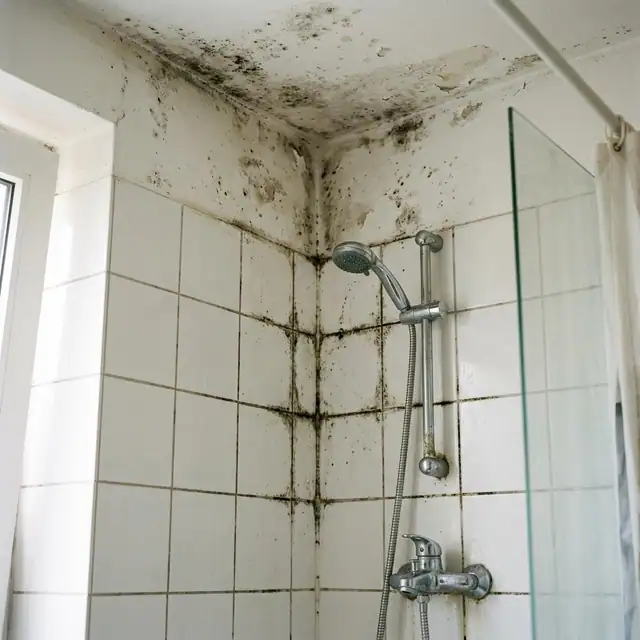
What starts as a minor toilet leak can lead to major repairs. The subfloor may rot, the floor tile may loosen, and the wallboard can become brittle and moldy. In some cases, the mold can spread into the joists or the framing, requiring structural work. The cost of lifting the toilet and replacing a wax ring is small compared to replacing a section of subfloor and a wall. That is why a timely bathroom mold inspection is worth doing at the first sign of a musty smell or a dark spot near the toilet base.
Mold also affects indoor air quality. Even if you cannot see it, the spores can trigger allergies, asthma, and other respiratory issues. A toilet base leak that goes unnoticed for months can release spores into the bathroom air every time someone flushes or steps on the damp floor. That is a health risk that a simple repair can avoid.
When to Call a Professional
If you find moisture at the toilet base and the floor feels soft or springy, the damage may already be extensive. A professional bathroom mold inspection can determine whether the subfloor needs replacement or whether a thorough cleaning and drying will suffice. The inspector can also check for mold inside the wall cavity, which is common when the leak has been active for a while. Trying to treat the mold with bleach or store-bought sprays will not solve the moisture problem, and the mold will return as long as the leak continues.
Mold Removal Boston Pros Bathroom Mold Remediation teams understand that the root cause must be fixed first. They will coordinate with a plumber if needed, or they can handle the remediation directly after the leak is sealed. Their approach includes drying the area, treating the affected materials, and improving ventilation to prevent recurrence. That is a more complete solution than just scrubbing the visible spots.
Preventing Mold After the Leak Is Fixed
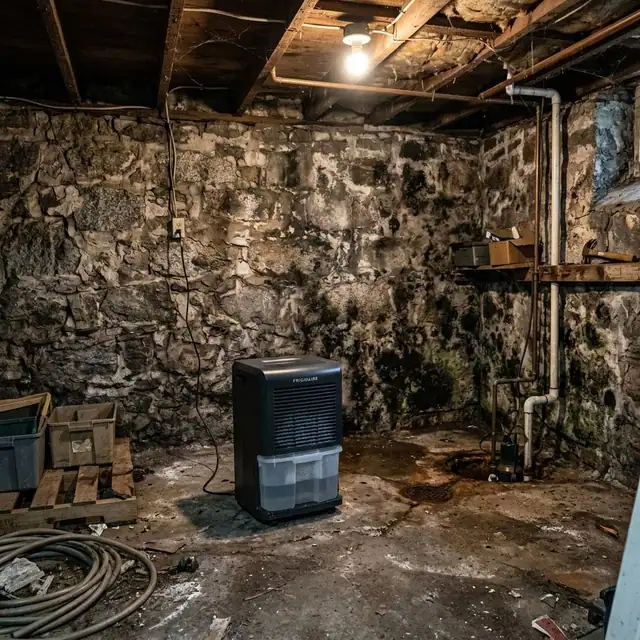
Once the toilet is sealed and the floor is dry, you can take steps to keep mold from returning. Run the exhaust fan during and for at least 20 minutes after every shower. Wipe down the floor around the toilet after cleaning. Check the toilet base every few months with the toilet paper test. If the house is old, consider having the flange replaced preventively when you have the toilet off for any reason. A small investment now can save you from a bigger mold problem later.
The key takeaway is that a toilet base leak is a common but often overlooked cause of bathroom mold. It is easy to assume the mold is from the shower or the sink, but the toilet deserves a close look. A thorough bathroom mold inspection will catch it early, and a simple repair can stop the mold at its source. If you suspect a leak, do not wait. The longer the water sits, the more the mold spreads.